Understanding Latex Mattress Materials: Pros, Cons, and Best Uses
Latex has earned a prominent place in the mattress world for its distinctive blend of responsiveness, support, and durability. From natural latex harvested in sustainable plantations to synthetic blends engineered for price-conscious shoppers, latex is not a monolith. In this editorial guide, we explore the different types of latex, what Dunlop vs. Talalay processing means for feel and longevity, and how to evaluate certifications, trials, and comfort when choosing a latex-based mattress.
For readers who are exploring options on mattressdealers.com or similar educational platforms, the goal here is clarity—no hype, just practical information that helps you align your sleep needs with the right latex solution. We’ll cover the core distinctions, how latex interacts with temperature regulation, motion isolation, and edge support, and when latex truly shines within a broader sleep system.
What is latex in a mattress, and why does it matter?
Latex is a natural or synthetic elastomer that forms the core of a sleep surface with a unique combination of bounce, contouring, and resilience. Unlike some foam beds that compress steadily under weight, latex tends to offer consistent support with a spring-like responsiveness. This combination can reduce pressure points in some sleep positions while maintaining a level of mobility that helps with movement at night.
There are two broad families of latex used in mattresses:
- Natural latex is derived from the sap of rubber trees. It is often processed via Dunlop or Talalay methods, which influence texture, density, and feel. Natural latex is prized for durability and a more resilient, bouncy feel, with varying degrees of firmness based on the formulation and processing.
- Synthetic latex is created from petrochemical-based polymers. It can mimic some properties of natural latex but generally comes at a lower cost. Some blended latex products combine natural and synthetic components to balance price, performance, and sustainability considerations.
For more discerning shoppers, the dunlop and talalay processing methods often become a focal point. Dunlop latex tends to be denser and more straightforward in feel, sometimes delivering firmer, more supportive layers. Talalay latex is typically airier and more uniform in cell structure, which can translate to a cushier surface with a more consistent feel across the latex layer.
Dunlop vs Talalay: how the processing method shapes feel
The Dunlop process produces a solid, compact structure. Mattresses built with Dunlop latex can feel firmer, depending on density, yet remain buoyant and breathable. This method is often preferred when a mattress seeks robust support with a straightforward body contour that doesn’t over-emphasize softness in certain zones.
Talalay processing yields a more uniform cellular structure, resulting in a surface that tends to be softer and livelier to the touch. Talalay latex often delivers a plush initial cushioning with responsive bounce that can feel cradling yet never completely “sinking.” This can be particularly appealing to side sleepers who want relief at the shoulders and hips without losing overall spinal alignment.
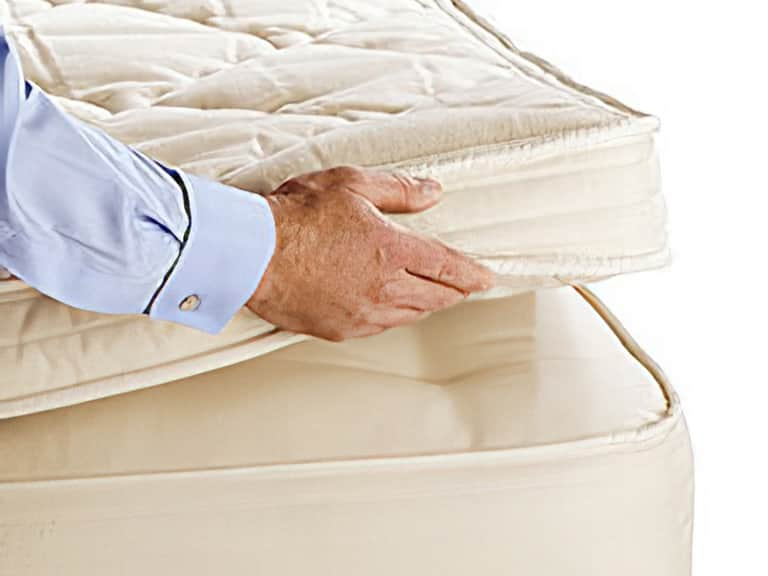
In practice, many latex mattresses blend layers of Dunlop and Talalay to create a tailored feel: a supportive Dunlop core may be paired with a softer Talalay topper, or structural layers may switch between the two to achieve the desired balance of contour, lift, and temperature management.
Density, firmness, and the felt of latex
Density is a leading indicator of durability and support in latex. Higher density latex typically offers more long-term support and slower compression under weight. Density interacts with thickness to determine overall firmness and the level of contouring you’ll experience. A mattress might use multiple latex densities in layers to guide pressure relief: a softer top layer for comfort and a firmer base layer for stability.
When evaluating firmness, remember that the declared firmness for latex layers is a starting point, not a guarantee. Your body weight, sleep position, and preferred mattress feel all influence how a given latex layer registers. Side sleepers often benefit from a softer top layer to relieve hip and shoulder pressure, while back and stomach sleepers may prefer a firmer layer beneath to maintain spinal alignment.
Temperature regulation and breathability
Latex has a natural capacity to promote airflow due to its open cellular structure, which can help regulate temperature better than some polyurethane foams. The breathability of latex is often enhanced by the cover materials and any integrated breathable fabrics used in the mattress construction. Additionally, many latex mattresses incorporate natural or synthetic moisture-wicking covers and perforated latex layers to maximize airflow.
For hot sleepers, latex’s temperature management can be a meaningful advantage, especially when contrasted with denser foams. It’s still wise to consider the overall airflow within the mattress system, including pillowtops, zoned comfort layers, and the fabric encasement that sits around the latex core.
Support, pressure relief, and spinal alignment
Latex is often lauded for its ability to provide consistent support across the surface, which can help with spinal alignment while reducing pressure points at critical contact zones such as the hips and shoulders. For many sleepers, a latex core paired with a softer topper yields a balanced feel: sufficient push-back to keep the spine in alignment, with a comfortable cradle that alleviates localized pressure.
In addition to the core structure, some latex mattresses include zoned support or layered builds that tailor firmness across the body’s length. The ultimate goal is to maintain a straight spine while permitting comfortable accommodate of contours at joints, a feature particularly valued by sleepers dealing with back pain or shoulder compression.
Certifications, safety, and sustainability
The green thread running through latex mattresses is often certification and transparency. Look for labels and third-party certifications that verify material sourcing, chemical content, and manufacturing standards. GOTS (Global Organic Textile Standard) or GOLS (Global Organic Latex Standard) marks, where applicable, signal attention to organic content and sustainability. Certifications provide a framework for assessing the environmental and health implications of the mattress you’re considering.
Beyond certifications, consider the mattress maker’s approach to responsible sourcing, the presence of natural flame barriers, and the use of non-toxic materials. A well-articulated editorial approach by a retailer or education hub can help you cross-check claims and avoid marketing ambiguity.
How to test latex in a store or at home
The precision of your judgment comes from hands-on testing. If you’re visiting a showroom, spend time lying on each surface in your typical sleeping position for at least 15 minutes to gauge initial feel. If you’re shopping online, rely on trial periods and transparent return policies. In both cases, gradually introduce your mattress criteria: temperature feel, bounce, conforming pressure relief, edge support, and motion transfer.
Take notes about the top layer’s feel—whether it’s plush, soft, or medium—in relation to your shoulder and hip comfort. Then consider the base or core density to understand long-term support. Don’t forget to factor in the cover’s contribution to temperature and feel, because the outer wrapping can alter the perceived firmness and airflow.
A practical overview: latex in the current market
In today’s market, you’ll encounter a spectrum of latex-based options. Some brands emphasize fully natural latex cores, while others offer latex hybrids that combine latex with innersprings or dense foam bases. A few models present a layered approach, with Dunlop core layers paired with Talalay comfort layers for a premium “soft, supportive hug.” Each configuration has its rationale, and the right choice depends on your sleeping position, body weight, and temperature preferences.
If you’re exploring product options on MattressDealers-like sites, you may come across items that blur the lines between natural and blended latex. When shopping, pay attention to the details: the exact latex type in each layer, the density (usually in pounds per cubic foot or kilograms per cubic meter), the thickness of layers, and whether the product includes a breathable cover and edge reinforcement.
Case study: notable latex offerings and how they map to user needs
A few brands have built reputations around latex-focused lines. For readers who explore our catalog or partner pages, a few guiding questions can help identify the best fit:
- Do you prefer a fully natural latex core, or is a blended latex acceptable for budget or sustainability considerations?
- Which processing method dominates the core or topper layers, and how does that influence bounce and contouring?
- What is the target firmness, and does the layering strategy allow you to customize the surface feel?
- What certifications accompany the latex components, and how transparent is the product’s supply chain?
In our catalog, you’ll see products that illustrate these principles. For example, a latex-focused mattress that emphasizes natural Dunlop cores with Talalay toppers can offer a versatile feel that appeals to a broad range of sleepers. Look for layered configurations that match your sleep style and desired temperature profile to ensure you’re selecting a mattress that keeps you comfortable throughout the night.
Choosing wisely: a quick decision tree
If you’re reading this guide, you likely want a straightforward way to decide. Here’s a concise decision tree to help:
- Are you seeking a latex-only core or a latex hybrid? If you want maximum contour and motion isolation with a buoyant feel, latex hybrids can be ideal.
- Do you prefer a firmer, more durable base or a plush, coddling top? Consider density and layer combination to achieve your preferred balance.
- Do you sleep hot or cool? Lean toward latex with a breathable cover and perforated layers, and verify airflow through testing or reviews.
- What certifications matter to you? Look for explicit labeling that confirms organic or recycled content, and third-party safety certifications.
For readers who want to see real-world product coverage, our site often links to product pages that reflect latex-based materials aligned with these principles. When a product specifically fits the article’s topic—such as a latex-based mattress with Dunlop core and Talalay topper—the link will direct you to the official product page to ensure you have accurate, up-to-date details.
Connecting latex knowledge with everyday sleep health
The materials science behind latex intersects with broader sleep health concerns—pressure relief, spinal alignment, and long-term comfort. The right latex configuration can support healthier sleep posture and reduce wakefulness caused by discomfort. In editorial terms, latex represents a balance between science, comfort, and practical durability.
While we emphasize education and transparency, it’s important to acknowledge that personal preferences vary. Some sleepers may prioritize plush, cushiony surfaces, while others seek a more responsive, "on-top" feel that allows ease of movement. Latex offers a broad spectrum to satisfy both camps when configured with care and tested in real-world conditions.
Product spotlight: a real-world latex option
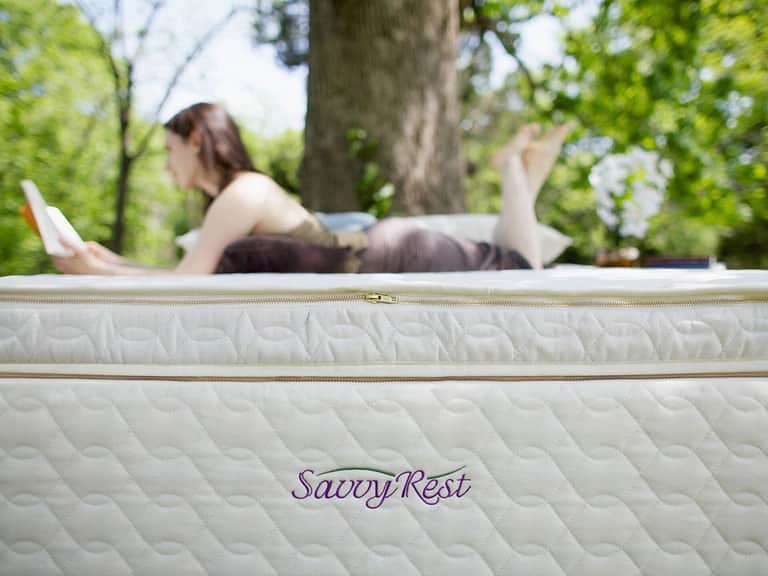
For readers who are shopping within the site’s catalog, a notable latex-focused option is the Savvy Rest Unity Pillowtop Latex Mattress. Although imagery and availability depend on the current catalog, this model exemplifies the layered approach to latex design, combining Dunlop-based core layers with Talalay toppers for a plush, responsive surface. The Unity Pillowtop’s layered construction and organic casing reflect a thoughtful approach to customization and long-term comfort.
If you’re evaluating a latex-centric option, examine the layers and materials closely:
- Core: natural latex (often Dunlop or a blend) for foundational support.
- Topper: Talalay latex layer for a softer initial surface and responsive feel.
- Casing: organic cotton or other natural fabrics that contribute to breathability and a clean sleep surface.
- Warranty and customization options, such as layer exchanges, which can influence long-term satisfaction.
When you consider the Savvy Rest Unity Pillowtop in context, think about your sleep position, mobility at night, and whether you want the option to swap layers if your preferences evolve. A mattress with adaptable layers can be a compelling choice for sleepers who anticipate changes in comfort needs over time.
Conclusion: latex as a thoughtful, enduring option
Latex mattresses offer a compelling blend of bounce, support, and longevity. The processing method (Dunlop vs Talalay), density, and layering approach all shape how a latex bed feels across years of use. For those focused on sleep health, temperature regulation, and durability, latex remains a valuable consideration in the broader landscape of mattress materials.
As with all sleep purchases, your best strategy is to test carefully, study the materials, and choose a mattress that aligns with your sleep habits and comfort preferences. Use trial periods to verify how the bed performs across different nights and seasons, and don’t hesitate to seek out transparent information about the materials and certifications behind the product.
Note: Product references and links reflect our ongoing catalog and are subject to availability. When a product aligns with latex materials or a latex-based construction, we provide direct links to the official product page to ensure accuracy and up-to-date specifications.